
Texas Wildlife Camera Monitoring for Landowners
Your Essential Video Tracking Guide For Wildlife Management Compliance
As a Texas landowner, you know that the winter months bring a different kind of quiet to your property. The flurry of activity from summer and fall subsides, offering a unique opportunity to observe the land and its inhabitants more closely. This is the perfect time for effective Texas wildlife camera monitoring. By strategically placing remote trail cameras, you can gain invaluable insights into the habits of the wildlife on your land, track populations, and make informed decisions that will benefit your property for years.
This guide will walk you through how to set up and use these cameras to unlock a deeper understanding of your local ecosystem and support your transition to a wildlife management valuation.
Why Winter is The Ideal Time For Video Monitoring
Winter is one of the most effective seasons for wildlife camera monitoring in Texas. With vegetation thinning out and natural food sources becoming limited, wildlife tends to move more predictably across the landscape, making it easier to capture high-quality images and videos. These observations are not only fascinating but also provide the evidence needed to maintain your property tax benefits through a successful wildlife management plan.
Key advantages of winter monitoring include:
- Clearer Sightlines: Fewer leaves and less ground cover mean unobstructed views for your cameras.
- Predictable Animal Behavior: Wildlife concentrates around reliable food and water sources, making their movements easier to track.
- Easier Species Identification: High-quality footage helps you accurately identify species, estimate populations, and observe behaviors you might otherwise miss.
How To Set Up Your Cameras For Optimal Viewing
Proper setup is crucial for successful Texas wildlife camera monitoring. To get the most out of your equipment, you need to think like the animals you want to observe. Identify areas with high traffic, such as game trails, water sources like creeks, troughs, or ponds, and feeding locations.
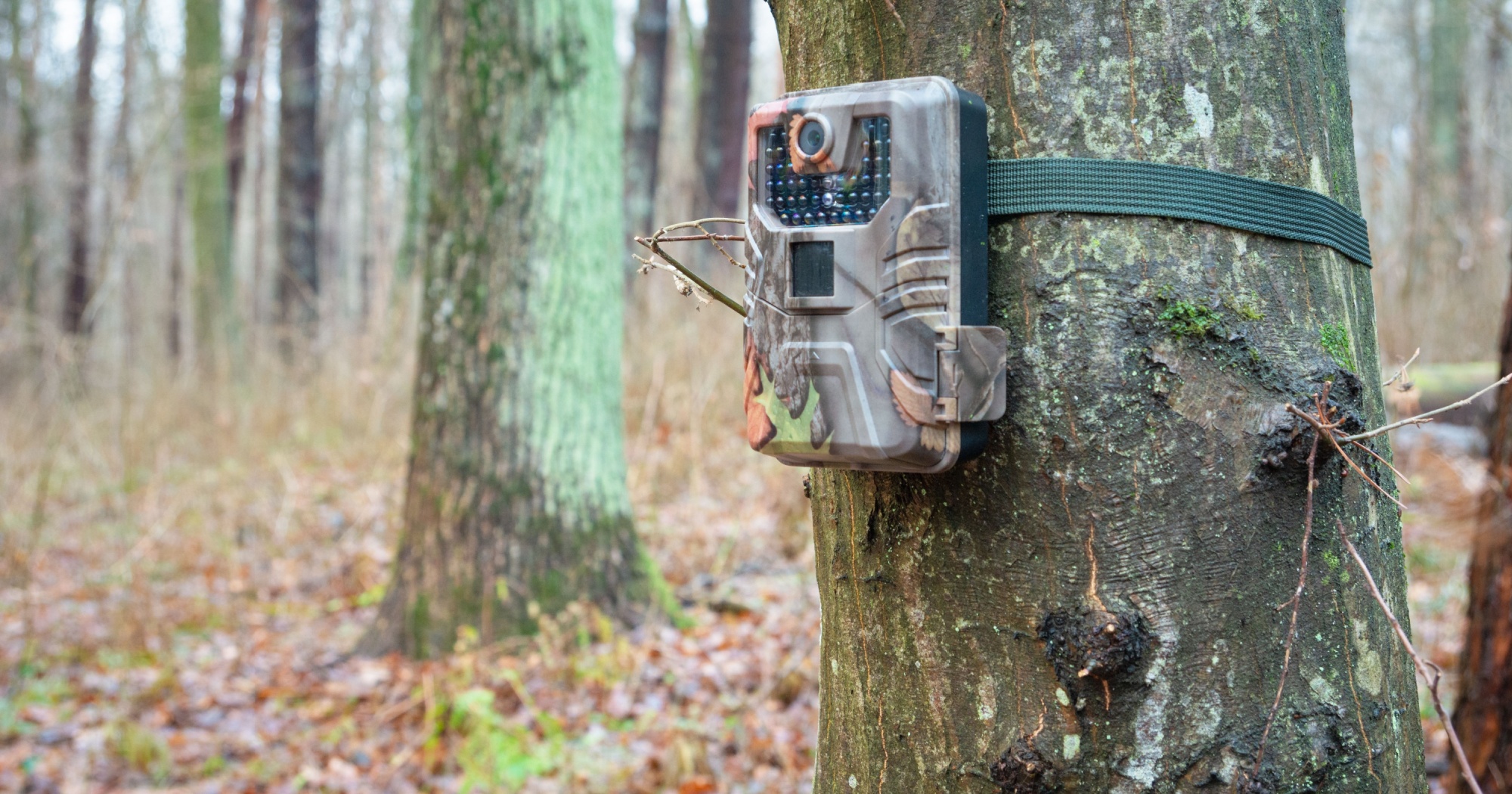
- Placement is Key: Mount your cameras on a sturdy tree or post, about three to four feet off the ground. Face them north or south to avoid the sun’s glare at sunrise and sunset, which can trigger false motion alerts and produce washed-out images.
- Clear the View: Before walking away, clear any branches or tall grass in front of the camera lens. Even a slight breeze can move foliage and result in hundreds of empty photos, draining your battery and filling your memory card.
- Check Your Settings: Ensure your camera’s settings are optimized for your goals. Set the date and time correctly, choose a medium photo resolution to save memory, and adjust the sensitivity to match the environment. A short delay between photos (around 30 seconds) is usually sufficient to capture multiple shots of an animal without overwhelming your storage.
Using Camera Data for Your Wildlife Management Plan
Wildlife cameras provide valuable insight into the species using your property, including white-tailed deer, turkeys, bobcats, foxes, and many others. These observations can directly inform several qualifying wildlife management practices under the 1-d-1 valuation. For example, camera data can guide decisions related to:
Supplemental Feeding and Watering:
Understanding which species visit feeders or water sources, how frequently they appear, and whether additional stations are necessary.
Habitat Improvement:
Identifying areas where creating brush piles, maintaining openings, or improving cover would benefit wildlife movement and survival.
Predator and Population Management:
Recognizing patterns in predator presence, fawn recruitment, or overuse by certain species to determine if harvest adjustments or targeted control efforts are appropriate.
Why Camera Footage Matters
Camera monitoring offers far more than basic documentation. Consistent footage reveals how wildlife actually uses your land, where they travel, rest, feed, and concentrate throughout the year. These behavioral patterns help you make informed decisions about if, when, and how to manage predator populations, adjust harvest recommendations, or modify habitat to better support native species.
Camera data also strengthens the foundation of your wildlife management plan. By showing species presence, abundance, and habitat use, your footage supports day-to-day management decisions and long-term planning.
Wildlife monitoring is not just a hobby. When used correctly, it becomes a practical tool for meeting 1-d-1 tax requirements while enhancing the ecological health of your property.
Appraisal districts require proof of active land management for native wildlife, making image and video data captured invaluable for maintaining your tax valuation. Plateau’s team of expert biologists and Registered Property Tax Consultants can help you interpret this footage and incorporate it seamlessly into a compliant wildlife management plan.
Partnering with the Experts in Texas Land Management
Plateau Land & Wildlife Management has been the trusted choice for landowners, assisting with Texas wildlife camera monitoring and all the services you need for full 1-D-1 compliance. We’ve helped transition over 1.5 million acres to wildlife management valuation and written more plans than any other company in the state. Here are more reasons why we stand out:
- Extensive Experience: Over 25 years of expertise in wildlife management valuation.
- Proven Results: Successfully transitioned 1.5 million+ acres to wildlife management.
- Comprehensive Team: Integrated wildlife biologists and property tax consultants offering a one-stop solution.
- Texas-Specific Knowledge: Deep understanding of appraisal district requirements across the state.
- Legal Support: Representation in court if needed to ensure a smooth transition and secure tax savings.
Let us use our extensive land management skills to work for you!
Take the Next Step for Your Land
Ready to leverage Texas wildlife camera monitoring to enhance your property and secure your wildlife management valuation? The experts at Plateau are here to guide you. Our deep understanding of Texas ecology and property tax law makes us the ideal partner for landowners serious about conservation. Contact us today to learn how we can help you develop a robust wildlife management plan tailored to your land and your goals.



Sorry, the comment form is closed at this time.