
A Landowner’s Guide To Texas Winter Wildlife Habitat
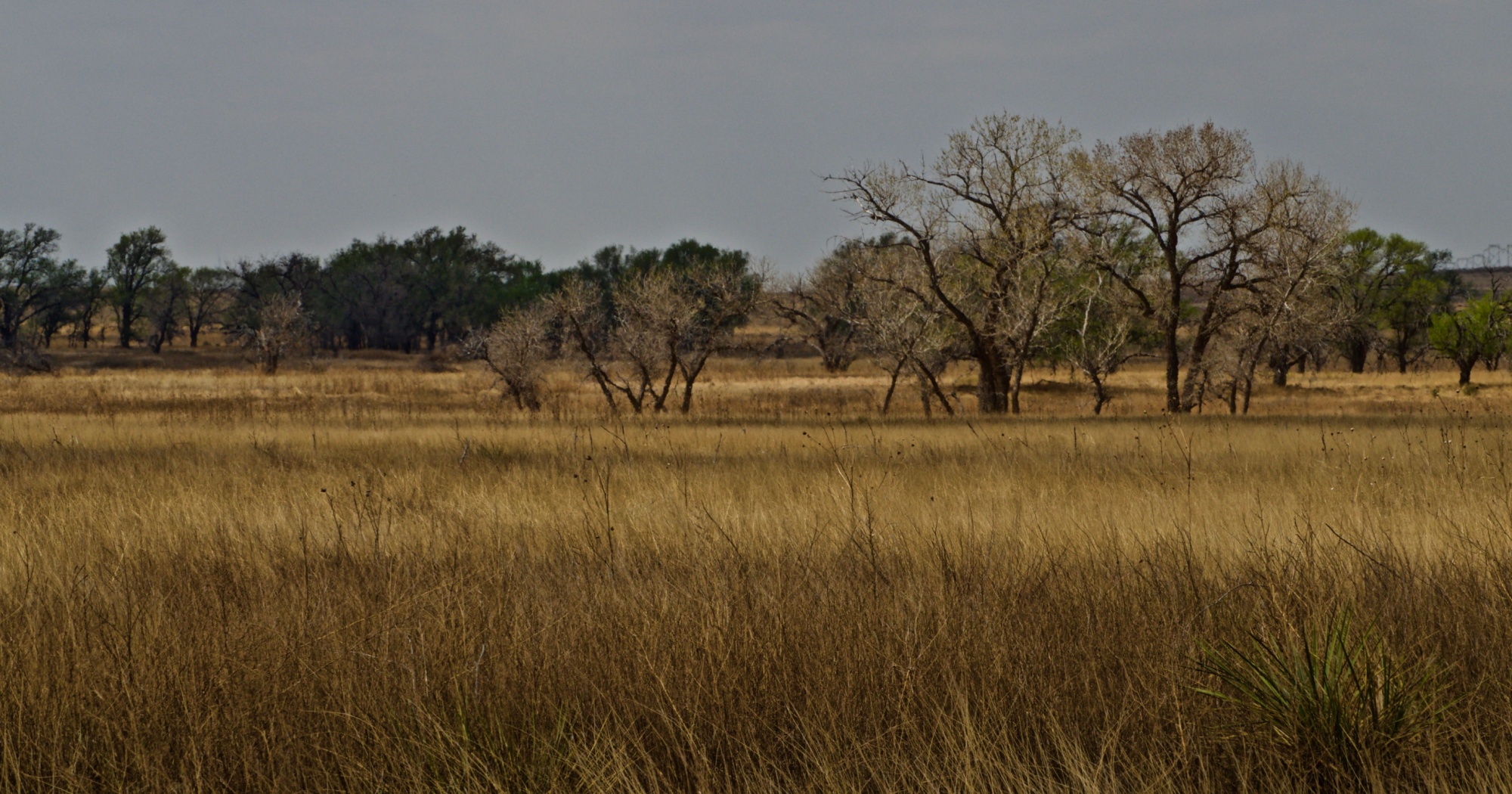
Practical Tips For Shelter & Forage Management Through The Cold Season
November in Texas brings cooler air, the rustle of dry leaves, and a critical window for landowners to prepare their property for the months ahead. As the seasons change, so do the needs of your local wildlife. Ensuring they have adequate food, water, and shelter is not just good stewardship; it’s essential for a thriving ecosystem. For landowners managing their property under a wildlife tax valuation, this is also a key time to perform and document required activities.
Properly managing your Texas winter wildlife habitat now will pay dividends for species like white-tailed deer, wild turkey, quail, and various songbirds. When natural food sources become scarce, the work you do in the fall provides the critical resources these animals need to survive and flourish through the winter. This means focusing on:
- Managing native grasses
- Maintaining effective cover
- Ensuring a reliable food supply
This guide will walk you through practical, effective strategies for enhancing your land this fall. We will cover key techniques like mowing, reseeding, and creating rotational cover to help you meet your wildlife management goals and ensure your property remains a healthy sanctuary for native species.
Prepping Fields and Brush for a Healthy Texas Winter Wildlife Habitat
As temperatures drop, the quality of forage and cover on your land becomes paramount. Proactive management of your fields and brushy areas ensures that wildlife has access to nutritious food and safe shelter. A well-prepared Texas winter wildlife habitat supports a healthier, more robust wildlife population through the leanest months of the year.
Here are several key activities to focus on this fall:
- Mowing and Shredding: Strategic mowing is about more than just tidiness; it stimulates new growth of forbs and grasses that are more palatable and nutritious for deer and other grazers. Mowing strips or sections of your fields, rather than the entire area, creates a mosaic of different habitat structures that benefits a wider range of species.
- Reseeding with Cool-Season Forages: Fall is the ideal time to overseed fields with cool-season annuals like clover, oats, or winter wheat. These food plots provide a high-protein food source during winter when native vegetation is dormant. This supplemental forage is crucial for helping deer maintain body condition and supporting turkey flocks.
- Brush Management: While dense brush can offer excellent cover, it can also become overgrown, reducing its value for wildlife. Selective clearing or “sculpting” of brush creates openings that promote the growth of desirable understory plants. This practice improves forage availability while still leaving sufficient thermal and escape cover.
Mastering Cover for Your Texas Winter Wildlife Habitat
Cover is just as important as food for wildlife, providing protection from predators and harsh weather. Effective winter cover should be dense enough to offer concealment and insulation but accessible enough for animals to move through. Managing for quality cover is a cornerstone of maintaining a functional Texas winter wildlife habitat.
Consider these strategies for improving and maintaining cover on your property:
- Rotational Cover Management: Instead of managing all your habitat areas at once, implement a rotational system. For example, mow or conduct prescribed burns on a different section of your property each year. This ensures that some areas are always left undisturbed, providing consistent, year-round shelter for species like quail and songbirds that rely on dense, low-growing vegetation.
- Building Brush Piles: Don’t let cleared brush go to waste. Creating brush piles from downed limbs, cedar, or other cleared vegetation is an easy and effective way to build instant habitat. These structures offer excellent escape cover for rabbits, quail, and other small mammals, which in turn provides a food source for predators.
- Protecting Native Bunchgrasses: Clumps of native bunchgrasses like little bluestem and switchgrass are invaluable for winter cover. Their structure traps air, providing insulation, and their bases offer shelter for ground-nesting birds and small mammals. Avoid mowing these areas until early spring to preserve this critical winter resource.
Water and Supplemental Feeding for a Thriving Texas Winter Wildlife Habitat
While managing grasses and cover is foundational, a complete habitat plan also includes reliable water sources and, where appropriate, supplemental feeding. These elements can make a significant difference in how well wildlife fares during the winter, especially in dry years. Ensuring these resources are available is paramount to your Texas winter wildlife habitat plan.
Here are some ways to provide consistent water and nutrition:
- Water Source Maintenance: Winter can be a dry season in Texas. Check your existing water sources like ponds, troughs, and guzzlers to ensure they are full and functional. For properties without natural water, installing rainwater collection systems or wildlife guzzlers can provide a life-saving resource for all species.
- Protein and Mineral Supplementation: Supplemental feeding can help deer and other animals maintain their health and body weight through winter. Setting up protein feeders or providing mineral blocks gives wildlife an extra boost when natural forage is less nutritious. This is a common and effective activity for properties under a wildlife management plan.
- Bird Feeder Stations: Don’t forget about your resident and migratory birds. Setting up bird feeders with high-energy seeds like black oil sunflower and suet can support a wide variety of species. Maintaining these stations is a simple and rewarding wildlife management activity.
Partner with the Experts in Wildlife Management
Managing your land for a thriving Texas winter wildlife habitat is a rewarding endeavor, but it requires knowledge, planning, and consistent effort. For landowners with a wildlife tax valuation, documenting these activities correctly is just as important as performing them. This is where partnering with an experienced team makes all the difference.
At Plateau Land & Wildlife Management, we’ve helped Texas landowners transition over 1.5 million acres to wildlife management valuation. Our team of expert biologists are also Registered Property Tax Consultants, meaning we can provide a seamless, one-stop solution for your land management and tax compliance needs. We have the resources and experience to fully support our clients, from developing a customized wildlife management plan to representing you in appraisal district hearings.
Whether you’re new to wildlife management or a long-time landowner looking for a hand, our fully customizable Service Agreements can ensure your property remains in full compliance, year after year. Let us handle the work so you can sit back and enjoy the view.
Ready to enhance your property and secure your tax valuation with confidence? Call us today at (512) 894-3479 to discuss how we can help you achieve your land management goals.



Sorry, the comment form is closed at this time.